
One does not enter the Garden of Paradise with one's feet, but with one's heart.

The addiction for more is ruining humanity.

Always be the same towards your friends, lucky or unlucky.
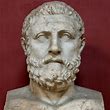
Man should get used not to seek or take what is his in things, but to seek and take God in all things.

The soul is the mistress, the flesh is the maid, because because the soul communicates life to its body, it has it under control, and the body gives itself over to the soul in receiving life.

Whoever finds the courage to speak to God in himself to speak to his grace has already received it in its essential components, because God's injustice consists mainly in the “judgment of stubbornness”, which the wrongdoer is unbroken and defiant to the end lets stay.
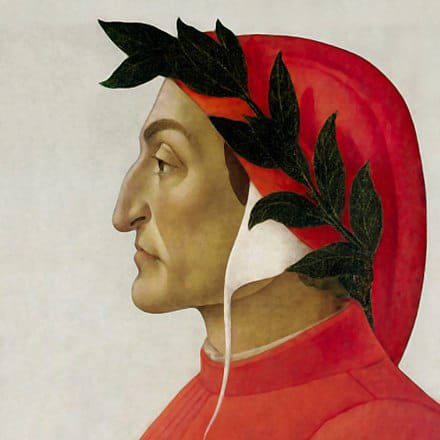
Man should not be satisfied with an imagined God; for when the thought passes, God also passes. One should rather have an essential God who is far above the thoughts of men and all creatures.
Where you have no talent and merit, So keep your mouth off speaking.
The tongue reveals the shame of man, the lightness of the almond without a core.
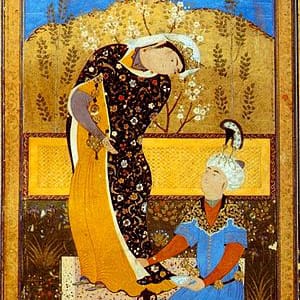
Anything can be achieved through steadfastness and firm determination.

One should never take one's own good or the praises and scolding of the crowd as the guideline of one's life.
You must not tell anyone - not even the most familiar - about a secret that you want to keep hidden, because no one will keep the secret better than yourself.
Saadî (around 1210 - 1292)

